What To Do With a Parent's House in Denver
Helping Denver families navigate one of the most emotional questions of aging, caregiving, and major life transitions:
What happens to the house next.?
Simple Answer
If a parent moves to assisted living, memory care, or can no longer safely live at home, most Denver families have four options: sell the home, keep the home, rent the home, or wait before making a decision. The right choice depends on care costs, family goals, the condition of the property, and whether a return home is realistic.
Most families do not need to decide immediately. The best first step is understanding the options before making a major financial or emotional decision.

START HERE IF...
✓ Your parent recently moved to assisted living
✓ Your parent recently moved to memory care
✓ A hospital stay changed the situation unexpectedly
✓ You inherited a home and aren't sure what to do next
✓ Siblings disagree about selling the house
✓ The house is sitting vacant
✓ You're worried about ongoing expenses, maintenance, or care costs
✓ You're trying to decide whether selling, keeping, renting, or waiting makes the most sense
Here is a good starting places
Why Families End Up Asking This Question
Families throughout Denver, Littleton, Centennial, Lakewood, Highlands Ranch, Aurora, and the surrounding metro area don't wake up and decide it’s time to move mom out of her house.
Usually something happens first…
Then the question eventually arrives:
"What do we do with the house?"
The house becomes the bridge between where life is today and what comes next.
That is why this decision often feels much bigger than real estate.
Mom falls.
Dad stops interacting with people.
Driving becomes a concern
Memory concerns start appearing.
A move to assisted living becomes part of the conversation.
The house represents…
Family memories
Financial security
Independence
Family traditions
Decades of belongings
A lifetime of work and sacrifice
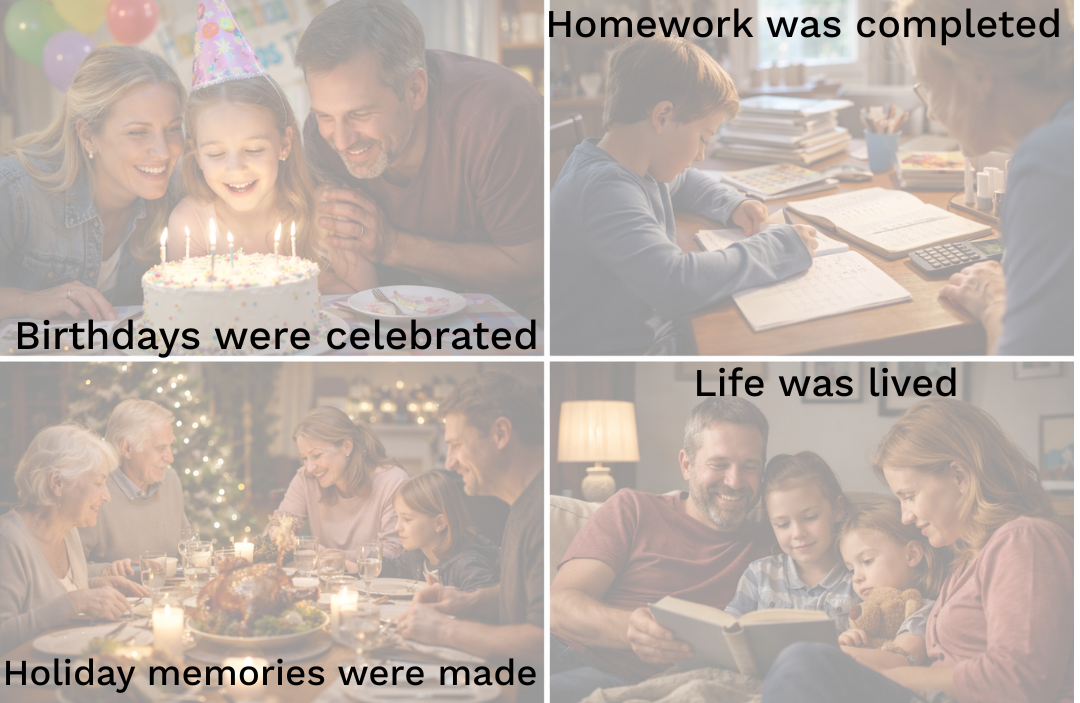
The decision is rarely about the house alone. It is usually about what the house represents.
The 4 Most Common Options
Most Denver families eventually explore…
Sell the Home
Selling often makes sense when:
The home is no longer safe
Nobody plans to move into the property
The home requires significant maintenance
Proceeds may help fund care
Managing the property has become stressful
The home is sitting mostly unused
Many families discover that selling provides simplicity and flexibility during an already complicated time.
The goal is not simply selling the property.
The goal is creating a plan that supports what comes next.
Keep the Home
Keeping the home may make sense when:
A return home is still realistic
The home can be modified for safety
Family members need more time emotionally
The property may eventually stay in the family
Financially, keeping the home is manageable
In-home care can realistically meet future needs
For some families, keeping the home creates stability during a period of uncertainty.
Rent the Home
Some families choose to rent the property.
This can create income that helps offset care costs while preserving long-term ownership.
However, becoming a landlord comes with responsibilities:
Maintenance
Repairs
Tenant management
Vacancies
Property oversight
Renting can be a great solution for some families and a burden for others.
The decision depends on goals, finances, and available support.
Wait Before Deciding
Sometimes waiting is the smartest choice.
Waiting may make sense when:
Care decisions remain unclear
Family members disagree
Legal questions remain unresolved
Emotions are still running high
A recent health event has created uncertainty
Not every decision needs to be made immediately.
Sometimes the best decision is creating enough space to make a better decision later.
Learn the science behind Why Denver Families Should Avoid Making Decisions Quickly
How To Know Which Option Fits Best
1. Is the home still safe?
Safety concerns often become the primary factor.
If you’re unsure
2. What are the current and future care needs?
Today's situation may look very different six months from now.
4. What is financially realistic?
Good intentions still need to work financially.
3. What does the family actually want?
Different family members often have different priorities.
5. What creates the least long-term stress?
The best decision is the one that reduces ongoing burdens.
Read more about Eliminating the long-term stress
The Question Most Denver Families Are Really Asking…
"Should we sell the house now or wait?"
There isn't one right answer.
Care costs are increasing
The home is vacant
Deferred maintenance is becoming expensive
The family wants simplicity
Selling may make sense when:
The care situation is still changing
A return home is possible
Family members need time to process the transition
Important legal or financial questions remain unanswered
Waiting may make sense when:
Why This Decision Feels So Hard
The decision about the house is usually not just practical. It is also emotional.
For Denver families, they usually are simultaneously navigating:
health concerns
hospital stays
care decisions
family disagreements
financial uncertainty
and grief about life changing.
All of these decisions often feel overwhelming even when the “logical” answer seems obvious.
What Most Families Eventually Discover
At first, many families across Colorado believe they are making a real estate decision.
Eventually they realize they are making a family decision.
The house becomes connected to:
Care decisions
Finances
Family dynamics
Future planning
Grief
Memories
Responsibility
That is why this process often feels emotionally overwhelming.
The house is simply where many of these conversations come together.
What If The Family Cannot Agree
Let’s face it - not everyone arrives at the same decision. This has caused some pretty dramatic arguments that I’ve sometimes had to moderate. The surprising thing that I’ve experienced it that these arguments are not about the house. They generally revolve around people’s feelings of
grief that the decision even has to be made
fear the wrong decision is being made
responsibility to make the right decision
guilt that there is nothing they can do
It is important to remember that every family member in the Denver area experiences change differently. One sibling may be focused on finances. Another may be focused on memories. Another may be focused on safety.
Most disagreements aren’t really about the house. They're about different fears, priorities, and emotions about the decision
Find out how to navigate disagreements between siblings and tips on talking to your mom or dad about this
Should You Sell the House, Keep It, or Wait?
Most families eventually explore some version of these three options.
There is no universal “right” answer.
The better question is usually:
What best fits this family’s current reality?
All of these decisions often feel overwhelming even when the “logical” answer seems obvious.
When Selling the Home Makes Sense in Denver
The home is no longer safe
Maintenance has become overwhelming
Nobody plans to move into the home
The proceeds may help fund care
The house is sitting mostly unused
Managing the property is becoming stressful
Tips for families who decide to sell:
Follow the Right-Sizing Timeline
How the first 30 days go
How the actual move works
How to talk to them about selling
When Keeping the House Makes Sense in the Denver-Metro Area
It can be modified
The family needs more time emotionally
The home may eventually stay in the family
It is financially manageable or can be rented out
The right in-home care is possible to help with daily care
A return home is still realistic and within a reasonable time
Tips for families who decide to keep the house
Handling sibling disagreements
The house after a hospital stay
What modifications can be made
Use the Right-Sizing Guide
When Waiting Before Deciding Makes Sense Across Colorado
No family consensus
The family is too emotionally overwhelmed to decide
Care decisions are still unclear
Legal questions remain about ownership or rights
Costs are not part of the decision process
The home is in disrepair and repairs need to be done.
Tips for families who need to wait on a decision
Check out the Right-Sizing Guide
What Most Families Eventually Discover
At first, families often believe they are making a real estate decision.
Eventually they realize they are making a family decision.
The house is connected to care needs, finances, memories, inheritance questions, family dynamics, and future planning.
That is why the decision often feels much bigger than the property itself.
What Happens to All of the Stuff In the House
Your mom or dad have developed a ton of memories in their home over the years.
They also have likely grown up with the boomer mindset
Both the memories and their mindset come with a lot of stuff
You and your family are likely faced with the big task of figuring out what to do with all of it. All of the stuff usually falls into the following categories:
Things your parent keeps
Things family members keep
Things that are donated
Things that are sold
Things that are thrown away
Usually, the hardest items are not the expensive ones.
They’re the emotional ones. Things like…
Old birthday cards.
Handwritten notes.
A coffee mug someone used every morning.
A jacket still hanging by the door.
The goal is not to “get rid of everything,” but to figure out what truly matters, what fits into the next chapter, and what no longer needs to be carried forward.
How Senior Living and Care Costs Affect the Decision
Senior Care and Communities are expensive.
The home is often your mom or dad’s biggest asset.
This is exactly why it the home eventually becomes part of the financial conversation.
Making this decision is not easy, but it’s important to understand why the home and their care are financially connected.
Find out more how families pay for Senior Communities
Helping Families Across the Denver Area
I help families throughout the Denver metro area navigate housing decisions involving aging parents, senior living transitions, inherited homes, and right-sizing. Every family is different, but most are looking for the same thing: a clear place to start in.…
Denver
Littleton
Green Valley Ranch
Highlands Ranch
Greenwood Village
Centennial
Aurora
Parker
Arvada
Westminster
Thornton
Lakewood
Parker
Castle Rock
Westminster

I’m always looking to expand, so let’s talk about it
I am proud to be a Colorado resident and want to better my state and everyone who calls this beautiful place home.
Common Mistakes People Make When Their Mom or Dad Needs More Support
Waiting Until a Crisis
Many families avoid planning until a fall, hospitalization, or emergency suddenly forces decisions faster than expected.
Trying to Handle Everything Alone
This process is emotionally heavy. Most families benefit from outside support, guidance, or simply clearer information.
Making Decisions Too Quickly
Fear and urgency often create pressure to solve everything immediately. Slow down enough to understand the full situation.
Tips on deciding
Related Resources
How to Talk to Your Parent’s About Moving to Assisted Living
Senior Housing Options in Denver: Independent Living, Assisted Living, and Memory Care
Still Not Sure What To Do With The House?
Most families don't reach this page because they have a clear plan.
They reach it because they're trying to figure out what comes next.
Maybe a parent is moving to assisted living. Maybe you're dealing with a house full of belongings. Maybe family members disagree about what should happen. Or maybe you're simply trying to understand your options before making a decision.
You don't need to have everything figured out before reaching out.
If you'd like to talk through your situation, I'd be happy to help you understand the options, avoid common mistakes, and create a practical next step for your family.
No pressure. No obligation. Just a conversation about your family's situation.