What Is Actually Happening in Your Mom or Dad’s Brain?
Simple Answer:
Changes in the brain can affect memory, judgment, emotions, communication, and daily tasks. Because these changes often happen gradually, families may notice something feels “off” long before they understand why.
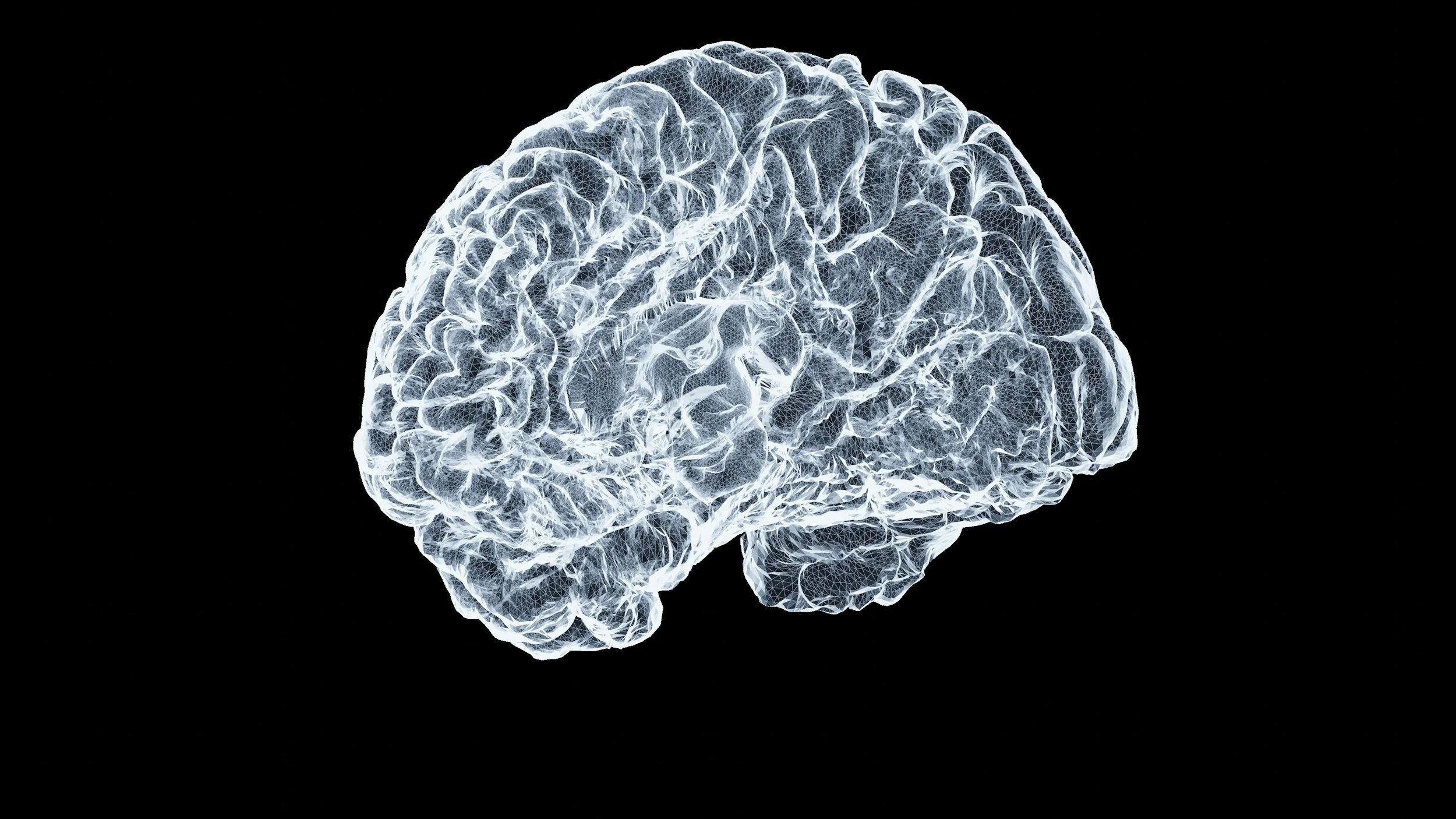
The Brain Works Through Connections
The human brain is the most intricate super computers imaginable. If not for any other reason than the brain has billions of neural connections that communicate within it.
All of these connections are important for…
memory
language
reasoning
emotional regulation
awareness
and decision-making.
Why Mom or Dad May Seem Different
It’s understandable that your mom or dad (or anyone for that matter) may be different if these connections are diminished because of accidents, disease, or simply aging
Memory related issues can affect…
Memory and recall can become less reliable
The brain may process information more slowly
Judgment and decision-making can change
Language and communication may become harder
Emotions and personality can shift
Navigation and safety awareness may decline
Familiar tasks can become overwhelming
Symptoms often develop gradually over time
When your mom or dad is dealing with age related diseases in their brain, these issues may arise.
Personality
Memory-related illness can sometimes subtly change personality before major memory loss becomes obvious. Mom or dad may seem:
more withdrawn
less motivated
unusually suspicious
or emotionally flatter than before.
My grandfather loved the St. Louis Cardinals and we’d talk daily about the games. Then, we stopped talking and, I later found out, he couldn’t remember watching the previous game…
Patience
Your mom or dad’s brain begins to struggle processing information quickly. Likewise, they may forget about a conversation they just had or how to fix something they used to know. All of this increases their frustration with themself and the world around them. This increased frustration manifest most obviously in their patience.
My father-in-law was very teach savvy the entire time I’ve known him. He always had the latest Apple products and was a wiz at setting them up and telling everyone what his new phone does. Then suddenly, he stopped and lost all interests in the features….
Emotional Regulation
Dementia can affect the brain’s ability to manage emotions appropriately. Mood swings, anxiety, or emotional outbursts may increase.
My grandfather was generally pretty even-keel and portrayed strength and never fear. One day, when we were talking, he got emotional telling me how he was scared and didn’t know what was happening. Shortly after, he was laughing and joking about my grandmother at the casino.
Confidence
As confusion increases, many older adults quietly lose confidence in daily tasks. This is true in things they were once very good at and enjoyed. Their loss of confidence is evident in their avoidance to do certain things.
My father-in-law was a truck driver his entire adult life and drove sometimes from 4 am to 6 pm in the Rocky Mountains. He would drive to our house after shifts and stay until, everyone but me, fell asleep. Al of the sudden, he was wanting to leave at 5 pm during the summer so he didn’t have to drive at night
Awareness
Most people are social by nature and enjoy being around other people for things like dinners, birthdays, and other gatherings with friends and family. As they age, they lose interest in even joining in these things and, if they do, they start making inappropriate comments or acting out of social norms.
My neighbors and I had started daily Happy Hours during the Covid lockdowns and we all enjoyed each other’s company and relaxed in our “bubble.” One neighbor , when he came, began to make comments that were offensive and led to arguments. Eventually, some others asked him not to even come to these any longer.
Communication
There are many people who are brilliant communicators. Whether they are writing or talking, their stories include vivid details and they come to life. As people begin to have cognitive delays, their brain may struggle retrieving words, misremembering details, or organizing thoughts clearly.
Some of the best stories I have heard came from grandfather’s background as a police officer. I’d call him regularly and ask about something I had seen or heard about in St. Louis involving police work. After he started having memory issues, he’d get confused over what area of town it happened or would trail off into unrelated issues as we spoke.
All of these things make the situation sometimes even harder. That’s because your mom or dad is still seemingly the same person, but there are slight things that make them feel like they’re a different person.
It’s understandable that your mom or dad (or anyone for that matter) may be different if these connections are diminished because of accidents, disease, or simply aging.
Memory related issues can affect…
memory
language
reasoning
emotional regulation
awareness
and decision-making.