What Happens to the House When a Parent Needs More Care?
Simple Answer
There is usually no immediate decision that must be made.
Most families have four options: sell the home, wait as you prepare to decide, keep it and rent it, sell it, or decide within the family.

At some point, nearly every family asks the same question…
“What are we going to do with the house?”
For many Denver families, the house represents far more than a piece of real estate. It's decades of memories, family gatherings, milestones, and possessions accumulated over a lifetime.
The good news is that there is rarely an immediate decision that must be made.
Most families have more options, more time, and more flexibility than they realize
The House Doesn't Usually Need an Immediate Decision
After a move to assisted living, memory care, independent living, or a family member's home, many people assume the house must be sold immediately.
In reality, families often have time to evaluate:
Whether keeping the home makes sense
Whether renting the home is an option
Whether waiting is the 202 choice
The right decision depends on your parent's finances, health, family goals, and future care needs.
The Four Main Options
When deciding what is the right decision to align your mom or dad’s care needs and lifestyle with their home as they age, it boils down to simply…
Keep the Home if keeping the home gives your family the greatest flexibility.
Keeping the home can preserve future options while your family gains a clearer picture of what comes next. Sometimes waiting to sell is the decision that creates the least long-term stress.
This option may fit if:
Returning home is still possible.
The property may stay in the family.
You need more time before making a permanent decision.
Sell the Home if it has served its purpose and it's time to support what's next.
Selling often becomes the right choice when your parent is unlikely to return home and keeping the property creates more burden than benefit. For many families, it provides financial flexibility and simplifies the next chapter.
This option may fit if:
Your parent isn't expected to return home.
The home's equity will help pay for care.
Maintaining the property has become overwhelming.
#2 Rent the Home if it can continue working by creating income.
Renting may provide income to help offset care costs while allowing your family to keep the property. It can be a practical bridge between keeping and selling.
This option may fit if:
Rental income would help pay for care.
Selling doesn't feel right yet.
Your family can manage the responsibilities of being a landlord.
Wait Before Deciding if making no decision today is the smartest decision.
Waiting is a great plan when an immediate answer isn’t needed due to finances, disagreements, or undefined prognosis for your mom or dad. Taking time to gather information frequently leads to better long-term decisions.
This option may fit if:
Care plans are still changing.
Your family needs time to reach agreement.
Important financial or legal questions still remain.
Learn When Waiting Makes Sense
Questions Families Should Ask
Your brain is swirling with questions about your mom or dad’s care needs, health issues, and millions more. In terms of the house, you need to ask…
Does anyone want to keep the property?
Would selling reduce stress?
Are there legal or estate considerations?
What would your parent want?
These questions should be addressed before any decisions are made because the answers often provide more clarity than focusing on the house itself.
This question is rarely asked in casual conversation. Unfortunately, it’s asked is in:
whispers after family get-togethers,
quiet conversations between siblings late at night after confusing phone calls,
hospital rooms after a fall
The biggest problem with this is - these conversations happen too late

Start Here If…
✓ Mom or Dad recently had a health scare
✓ You're exploring assisted living or memory care
✓ You're wondering if home is still safe
✓ Siblings disagree about next steps
✓ You're feeling overwhelmed by all the decisions
Still need help starting, Start here
It’s Rarely Just About the House
The hardest part is often not the real estate. It's the emotions and memories made in the house. .
Many adult children feel guilt, uncertainty, grief, relief, or all four at the same time.
That is normal.
A house may hold a lifetime of memories, but keeping the property and preserving those memories are not the same thing.
The memories stay with your family regardless of what happens to the home.
They're making decisions about memories, identity, independence, routines, family history, and what the next chapter looks like.
To Mom or Dad, the house may represent:
🏠 Forty years of memories
🎄 Every Christmas
📏 Growth marks on a wall
🌹 A garden they planted themselves
🚲 The place grandchildren visited
❤️ The last connection to a spouse who is gone
I’m Tim Stoverink, a licensed Colorado real-estate broker and Senior Transition Specialist. Learn more about my experience helping Denver families
That's why conversations about the house are rarely about the house.
They're about everything the house represents.
The house isn’t just a house…
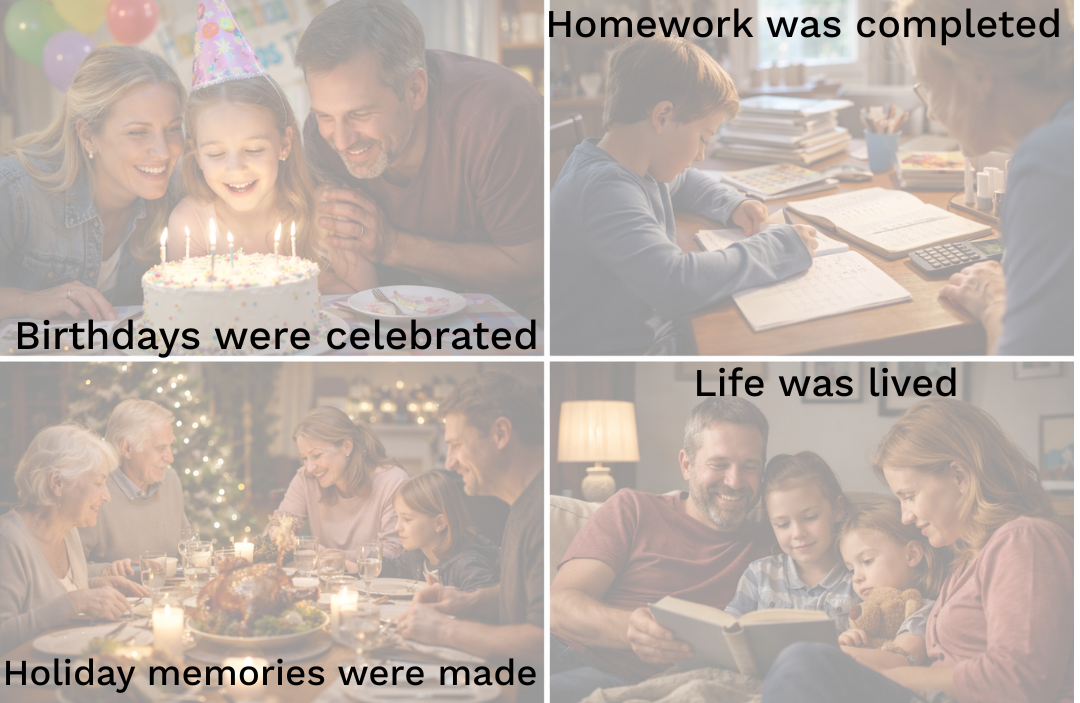
The decision is rarely about the house alone. It is usually about what the house represents.
The Questions You Are Really Asking
Families throughout Denver, Littleton, Centennial, Lakewood, Highlands Ranch, Aurora, and the surrounding metro area don't wake up and decide it’s time to move mom out of her house.
It’s usually because they have to answer questions like
Is it safe?
What type of care?
What do we do with the stuff?
What happens to the house?
Most families feel pulled in two directions at the same time.
The Emotional Reality
Selling a parent’s home is not just a financial decision.
It’s an emotional one…
There can be guilt.
Fear of moving too quickly.
Fear of waiting too long.
Concern about whether you’re “doing the right thing.”
Find out What Families are Really Deciding
The Practical Reality
Families fear they are giving up or cashing out.
Selling can provide…
The right level of care
High-quality community
Reduced financial pressure
The ability to make decisions without urgency
How I Help Families in Denver
I've helped families navigate everything from emergency moves to long-planned transitions. The reason I do this is, I have been in your shoes
Whether you're trying to decide whether to sell, keep, rent, or simply understand your options, I can help you create a plan that makes sense for your family.
No pressure. No rushed decisions. Just practical guidance through a complicated process.
Learn more About Me
While every situation is different, most families end up choosing one of a few clear paths.
My Approach As A Realtor
As a Real Estate Agent specializing in Right-Sizing, I help families navigate this process with:
I don’t just put a sign in the yard.
Clear communication
Thoughtful pacing
Full transparency
Strategic decision-making
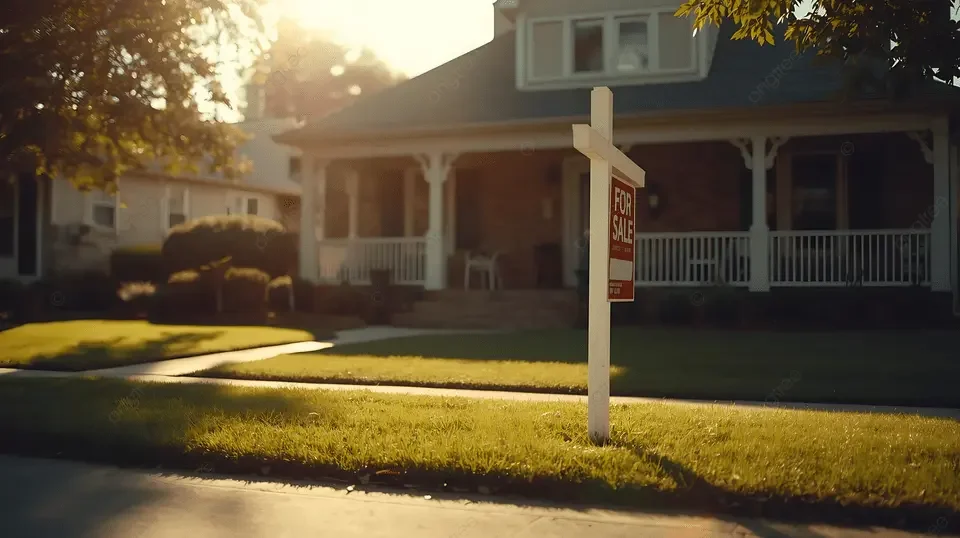
I help guide families before it’s urgent—so decisions feel clear, not rushed.
You Don’t Have to Figure This Out Alone
If your family is asking, “What happens to the house?”
it’s okay to start with a conversation.